


If you've narrowed your jewelry search down to a cool, silvery-white metal, you've probably run into the same question everyone else does: white gold or platinum? They look nearly identical on a store shelf, but the two metals behave very differently once they leave the counter and become part of your everyday life. And "which one is better" actually has a different answer depending on whether you're buying an engagement ring, a pair of hoops, or a tennis bracelet you'll wear to the gym.
This guide breaks down the real differences for composition, price, durability, and upkeep. Then, goes one step further than most comparisons by matching each metal to the specific piece of jewelry you're shopping for.
Quick Answer: White Gold vs Platinum
Platinum is a naturally white, dense, hypoallergenic metal that never needs replating and develops a soft patina over decades. It costs more upfront, mainly because of its weight and purity, not its raw material price.
White gold is yellow gold alloyed with white metals (usually palladium or nickel) and finished with a rhodium coating for that bright, mirror-white shine. It's lighter, more budget-friendly, and easier to resize, but the rhodium layer wears down and needs to be reapplied every 1-2 years.
Neither metal is objectively "better." The right choice depends on your budget, skin sensitivity, and how the specific piece will be worn.
What's the Real Difference in Composition?
Platinum jewelry is typically stamped PT950, meaning it's about 95% pure platinum with only 5% alloy metals. That purity is exactly why it's naturally white and why it's considered hypoallergenic. There’s very little else in the metal to react with your skin.
White gold starts as pure yellow gold, which is then mixed with white alloy metals like palladium, nickel, or silver to shift its color. Even after alloying, white gold still carries a faint warm or grey undertone, which is why nearly all white gold jewelry gets a final rhodium plating. It’s a thin coating of a platinum-group metal that gives it that bright, icy-white finish. That finish is beautiful, but it's not permanent.
White Gold and Platinum Difference
See what makes white gold different from premium platinum:
|
Factor |
Platinum |
White Gold |
|
Purity |
~95% (PT950) |
58.3% (14K) or 75% (18K) |
|
Natural color |
Naturally white |
Pale yellow/grey, needs rhodium plating |
|
Density |
~40% heavier than gold |
Noticeably lighter |
|
Hypoallergenic |
Yes |
Depends on alloy (palladium-based is safer than nickel-based) |
|
Maintenance |
Minimal, develops a patina |
Rhodium replating every 1–2 years |
|
Everyday cost |
Higher |
More budget-friendly |
Platinum vs White Gold Price: Why the Sticker Price Is Misleading
Here's where most people get confused, and it's genuinely a fair mix-up. In 2026, gold's spot price has actually surged well above platinum's per-ounce price. So on paper, the raw metal looks cheaper. Yet a finished platinum ring almost always costs more than the same design in white gold. Three things explain that gap:

-
Density: Platinum is roughly 40% denser, so a ring of identical size uses significantly more grams of metal.
-
Purity: Platinum jewelry runs about 95% pure vs. 58-75% for white gold, so you're paying for more actual precious metal per piece.
-
Craftsmanship: Platinum requires higher working temperatures and specialized tools, which adds to labor costs.
For a mid-range setting, expect platinum to run roughly 20-40% more than the identical white gold design. If your budget is the deciding factor, 14K white gold delivers the same look on day one for meaningfully less money, and money you can put toward a larger or higher-clarity center stone.
Durability in White Gold and Platinum: Which One Actually Lasts Longer?
Both metals are considered excellent for daily wear, but they age differently.
-
Platinum is malleable, not brittle.
When platinum gets scratched, the metal displaces rather than chips away, so a platinum piece slowly develops a soft, matte patina over the years. Many people love this look, and others prefer to have it professionally re-polished to keep the original shine.
-
White gold is harder on the surface.
Thanks to the white gold alloy mix, which makes it more scratch-resistant in the short term. But that resistance is only skin-deep. The rhodium plating wears thin with regular wear, and once it does, the warmer tone of the base gold starts to show through, which is when a re-dip becomes necessary.
For fine detail work including hand engraving, milgrain edging, delicate pavé, white gold prioritizes holding crisp lines slightly better. For securing a single large center stone or a design that will be worn daily for decades, platinum's strength and permanence typically win out.
White Gold vs Platinum for Every Type of Jewelry
Comparing white gold and platinum in engagement rings is good, but there are other types of jewelry where the right metal genuinely changes depending on what you're building.
-
Engagement rings: The Combination of Commitment and Presence
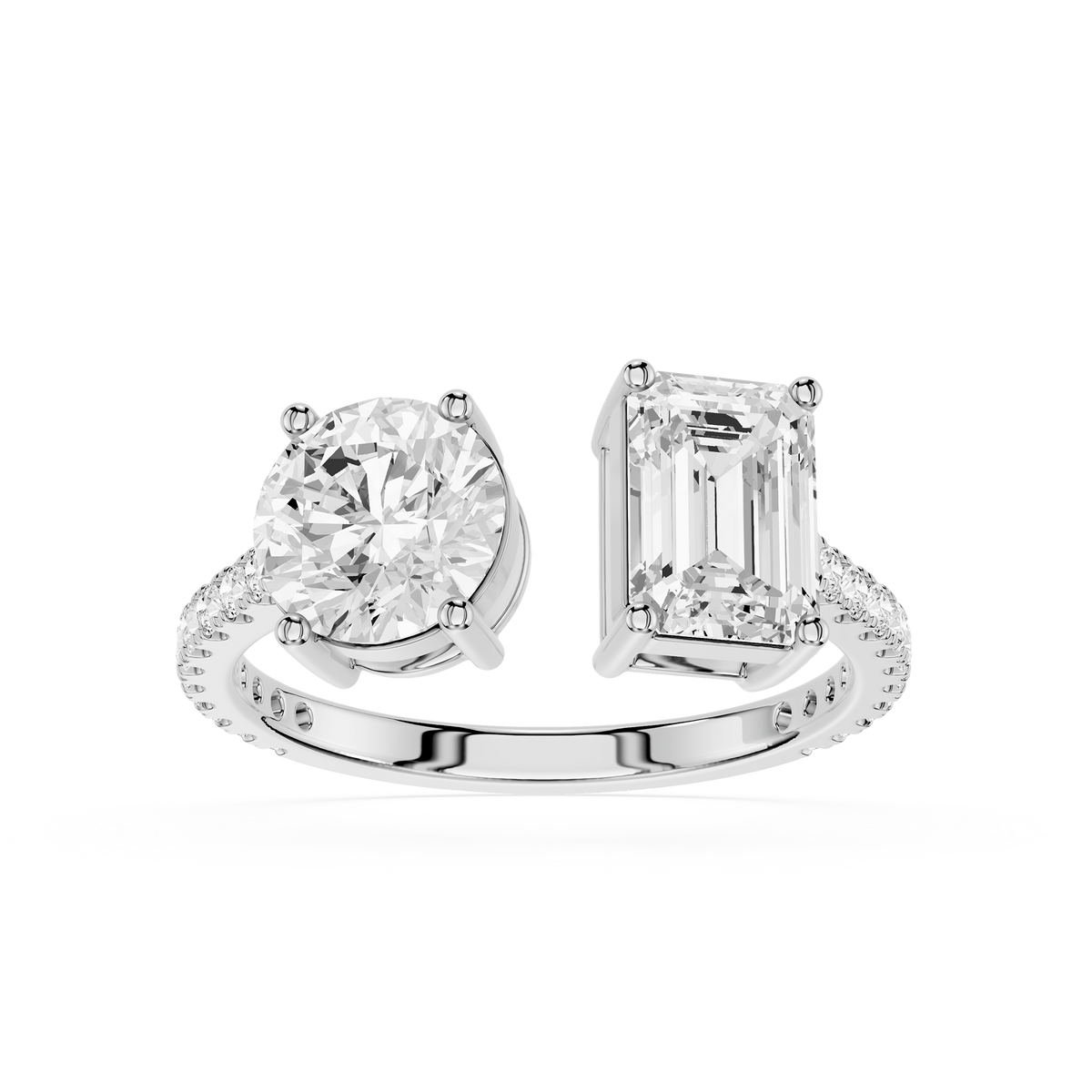
If the ring will be worn every single day for the rest of your life, platinum's durability and hypoallergenic properties make it the safer long-term investment, especially for prong settings holding a large center round and oval diamond. Browse solitaire engagement rings or halo engagement rings in either metal to compare side by side.
-
Wedding bands and eternity bands: Presenting Future Plans
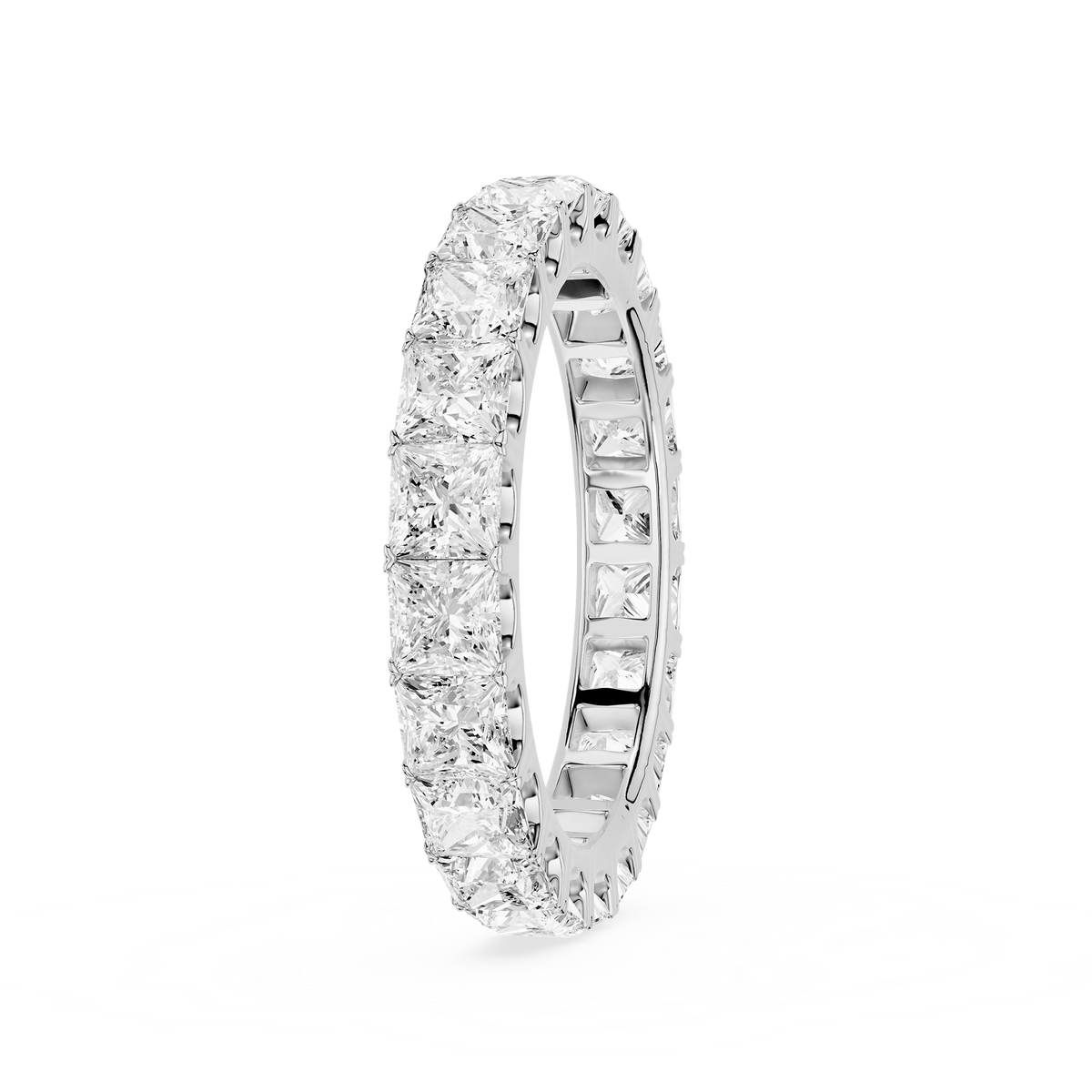
Wedding bands, particularly eternity bands, sit right next to the engagement ring and take the same daily abuse. White gold works beautifully here if you want to match a lighter budget without sacrificing shine. Check out eternity bands and wedding bands for options in both.
-
Earrings: Offering Unique Look
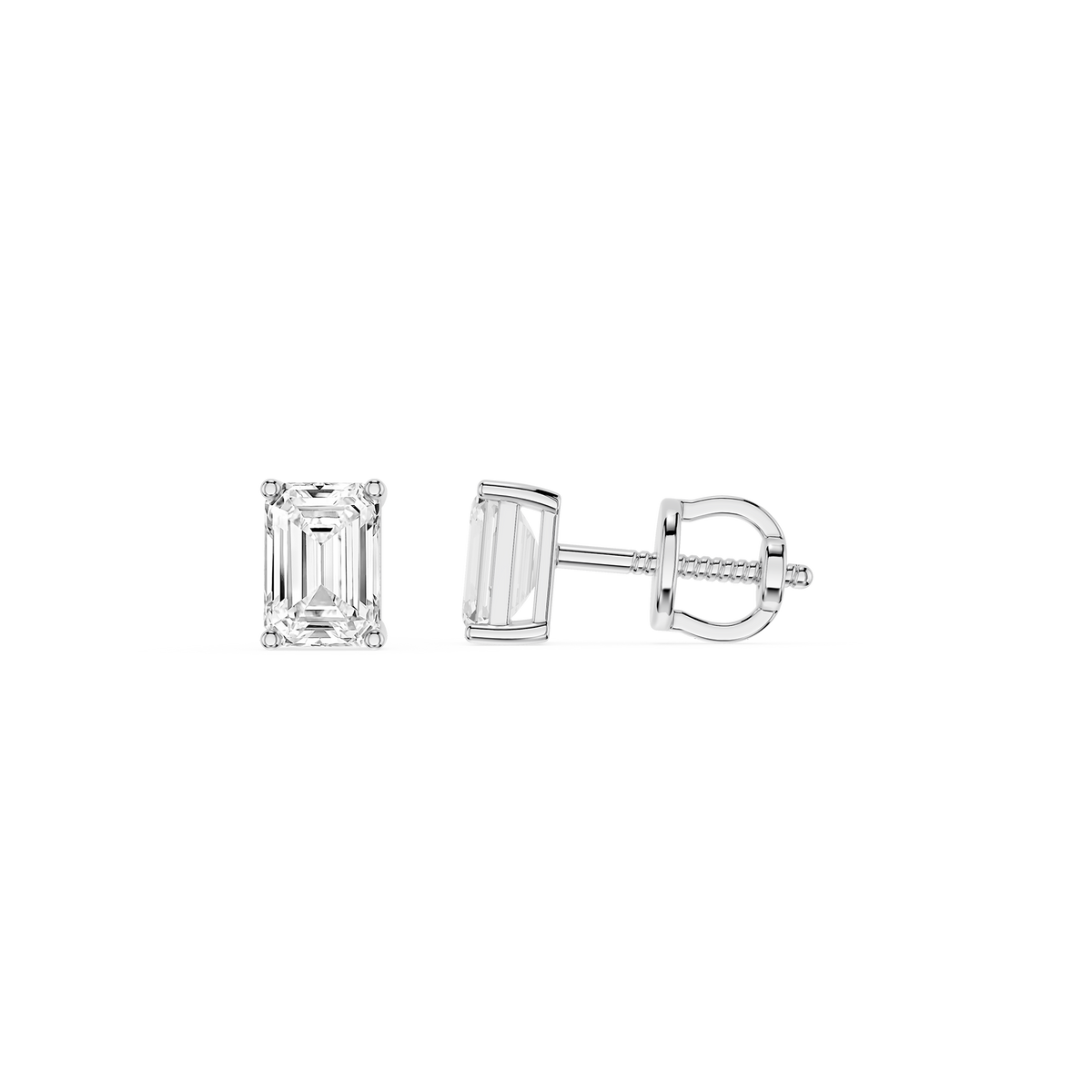
Since earrings see far less friction than rings, white gold is usually the smarter pick because women love it. The white gold earrings are lighter on the earlobe,e and the rhodium plating lasts longer with lower daily contact. Explore stud earring designs for women or hoop earrings for everyday-friendly white gold pieces.
-
Necklaces and pendants

Weight matters here too; a heavy platinum pendant can pull on a delicate chain, while white gold keeps things light and comfortable against the skin. See the diamond pendants and layered necklaces collections to find the perfect jewelry for your woman.
-
Bracelets

Tennis bracelets and bangles flex constantly with wrist movement, so platinum's resistance to bending is a real advantage for anyone who wears theirs daily. Compare both metals in the lab-grown diamond tennis bracelet collection.
-
Everyday and stackable rings
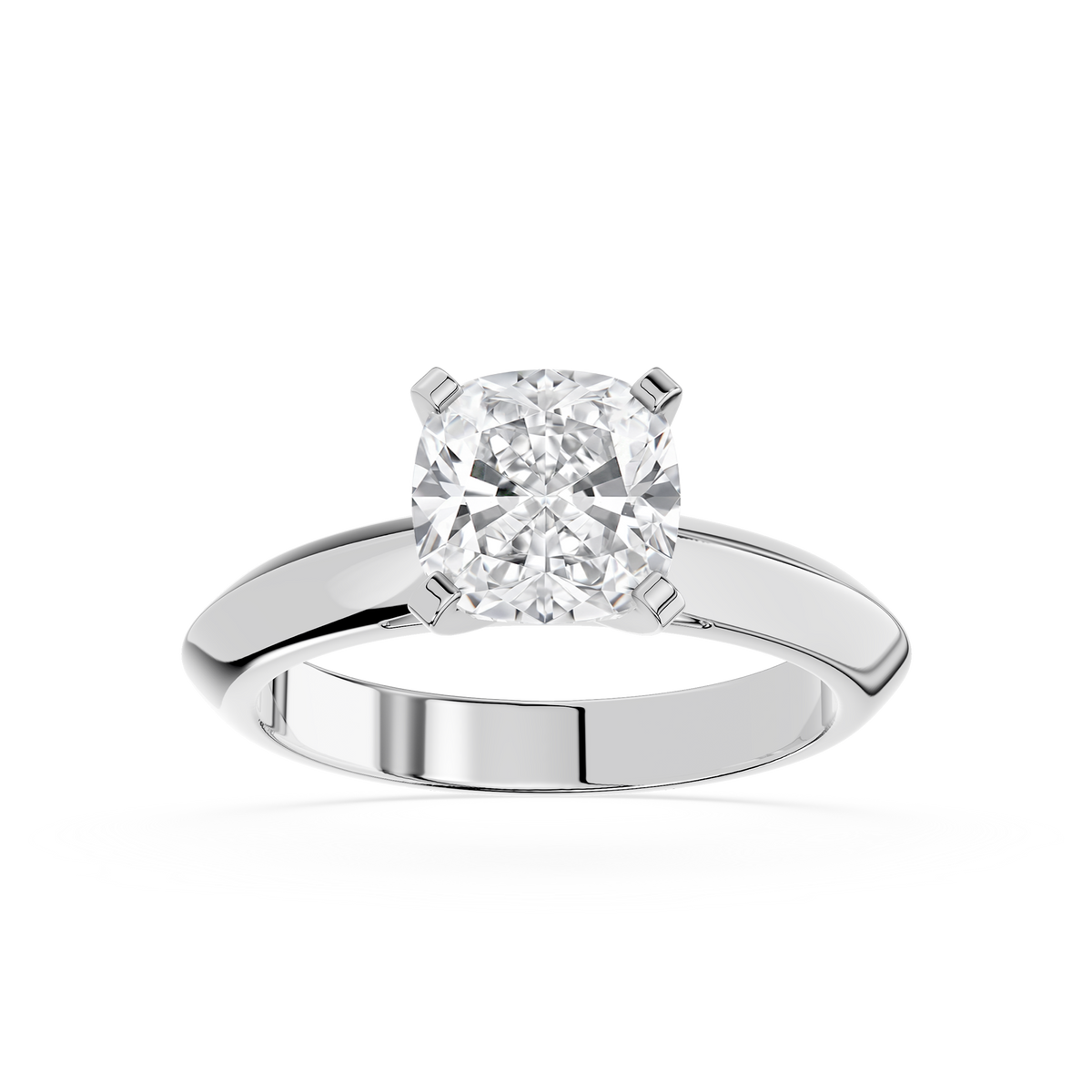
For rings you'll layer, swap, and wear casually, white gold's lower price point makes it easy to build a collection without the platinum price tag. Take a look at stackable rings and everyday rings.
Allergies and Skin Sensitivity in White Gold and Platinum
If you've ever had a reaction to costume jewelry, this section matters. Some white gold alloys use nickel to add hardness, and nickel allergies are one of the most common metal sensitivities out there. Palladium-based white gold is a safer alternative, but it's worth confirming the exact alloy before you buy. Platinum's near-total purity makes it the safest bet for the most sensitive skin.
Platinum and White Gold Sustainability: The Overlooked Part of This Decision
Metal choice is only half the story of an ethical piece of jewelry, and it is the stone that matters just as much. Pairing either white gold or platinum with a lab-grown diamond gives you the same brilliance, hardness, and certification as a mined stone, without the environmental footprint or the premium price tag. Every setting at Lockstone Jewels is available with IGI-certified lab-grown diamonds, so you can choose your metal based on lifestyle and let the diamond do the rest of the heavy lifting on value.
The Bottom Line
There's no universal winner between white gold and platinum; it depends only on the metal that fits how you'll actually wear the piece. If you want a low-maintenance metal for daily rings and bracelets, platinum earns its higher price tag. If you're building a versatile jewelry collection or shopping for earrings and necklaces where weight and cost matter more, white gold gives you the same look for less.
Whichever you choose, explore Lockstone Jewels' full collection of white gold and platinum pieces set with IGI-certified lab-grown diamonds.
Start a custom design to build your ideal piece in the metal that fits your life.
FAQs
-
Is white gold or platinum better for an engagement ring?
Its strength and hypoallergenic purity make a platinum engagement ring a preferable choice even with a $1,500 budget. You can opt for 18K white gold is a very close second if you're comfortable with occasional rhodium replating. When buying a hidden halo engagement ring, specifically consider the metal choice first.
-
Does platinum turn yellow like white gold?
No. Platinum never turns yellow because it's naturally white all the way through. White gold can reveal a yellowish tint once its rhodium plating wears down.
-
Is platinum worth the extra cost over white gold?
It depends on your priorities. Platinum costs more but requires far less long-term maintenance and lasts longer without changing appearance. White gold costs less upfront but needs periodic care to stay bright.
-
Can you resize a platinum ring as easily as white gold?
White gold is generally easier and less expensive to resize because it's softer and has a lower melting point. Platinum resizing takes more time and specialized equipment, which can add to the cost.
-
Which metal is more hypoallergenic, white gold or platinum?
Platinum is more hypoallergenic due to its high purity. Within white gold, palladium-based alloys are safer for sensitive skin than nickel-based ones.
-
Does white gold or platinum look better with a diamond?
Both metals complement diamonds beautifully since neither competes with the stone's color. Platinum gives a slightly cooler, more matte backdrop over time, while white gold offers a brighter, more reflective frame when freshly plated.
-
Does a jewelry certificate come with the purchase of a platinum or white gold piece?
It depends on the jeweler and the specific piece. Jewelry may come with a certificate or authenticity document, while the metal itself is typically identified by a hallmark showing its purity, such as PT950 for platinum or 14K/18K for gold. The hallmark confirms metal purity but does not necessarily indicate the metal tone.